

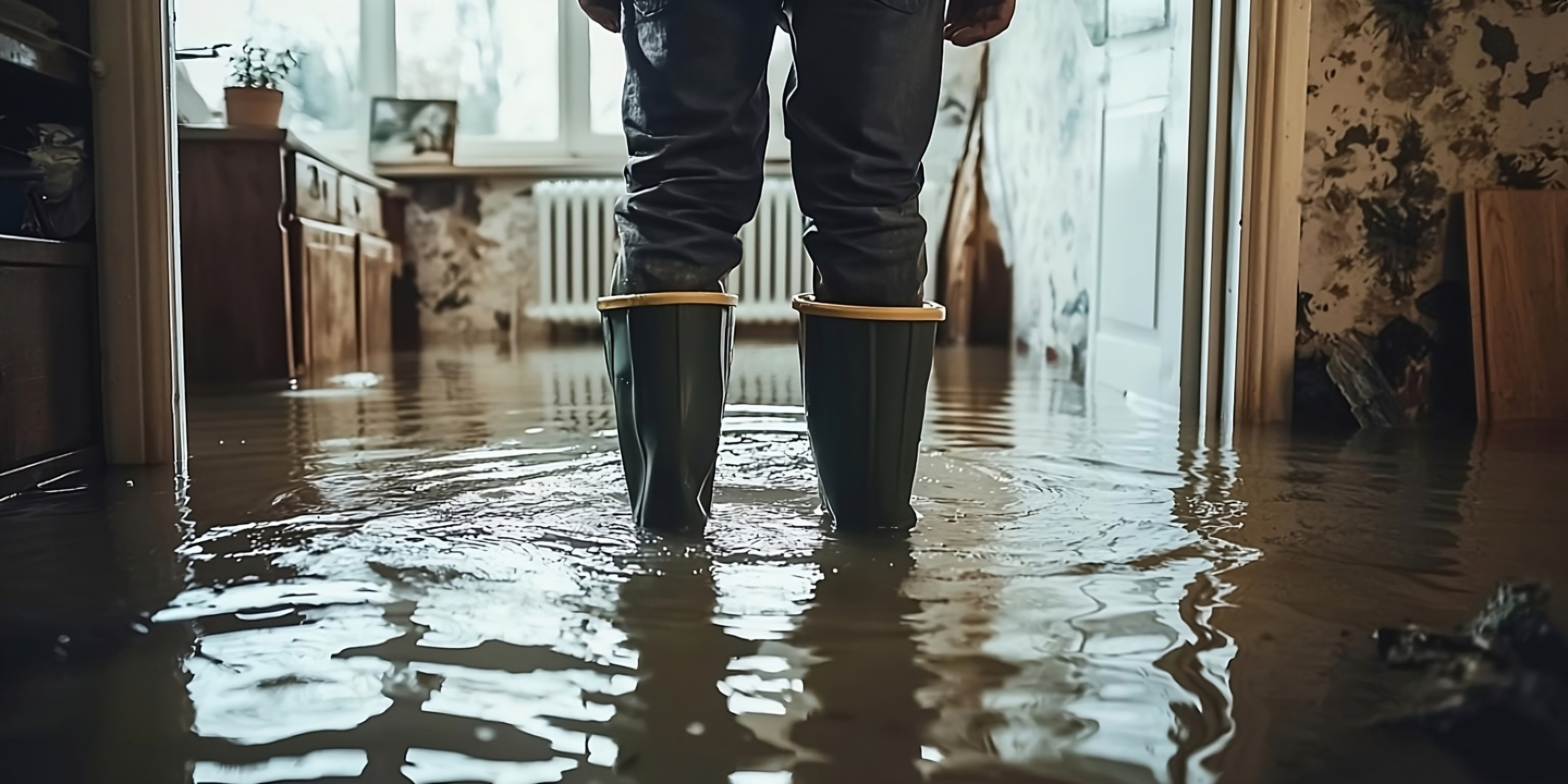
You know the drill. One minute the sky is clear, and the next the radar lights up with angry reds and oranges rolling across Rutherford County. Spring and summer storms here move fast and hit hard — torrential rain, whipping winds, and humidity that lingers long after the clouds break up. If you have hardwood floors, that sudden moisture isn't just a cleanup hassle. It's a genuine threat to your investment.
The Real Threat Storms Pose to Hardwood
Wood is porous by nature. When exposed to excess moisture — whether from a slow leak, pooling water near an entryway, or sustained humidity above 55% — planks absorb that moisture and swell. The result? Cupping, crowning, and gaps that can't simply be wiped away. Once a floor loses its structural integrity, the damage compounds quickly.
What makes this region tricky isn't just the storms themselves. It's the cycle. A downpour saturates the air, then summer heat cranks the indoor humidity before the AC kicks in and dries everything out. That repeated expansion and contraction stresses the wood fibers over time, turning minor seasonal movement into permanent warping.
Prevention Starts Before the Clouds Roll In
The best defense is building a moisture-resistant environment from the ground up. Start with the obvious: check weather stripping around exterior doors, make sure downspouts direct water away from your foundation, and keep a dehumidifier running during the sticky months. But beyond daily habits, the flooring itself matters enormously.
If you're selecting new floors and want the warmth of real wood, engineered hardwood tends to handle humidity swings better than solid planks thanks to its cross-laminated core. You can compare species, finishes, and widths in our hardwood catalog to see what fits your home's specific needs. For rooms where moisture is a recurring concern — mudrooms, finished basements, or spaces with direct exterior access — laminate offers a compelling alternative. Modern laminates replicate wood grain so convincingly that guests rarely notice the difference, yet the dense fiberboard core resists moisture far better than natural wood. Browse available styles in our laminate selection to weigh your options.
There are also products across every flooring category specifically engineered to handle wet conditions. Our waterproof flooring collection includes options designed for households that refuse to compromise on either style or peace of mind.
What to Do When Water Gets In Anyway
Even with preparation, storms sometimes win. If water pools on your hardwood, act immediately: soak up standing water with towels or a wet vac, then run fans and a dehumidifier continuously for at least 72 hours. Skip the temptation to crank the heat — rapid drying can shock the wood and cause splits.
If you're seeing cupping, discoloration, or musty smells days after the storm passes, the issue has likely moved deeper than the surface layer. That's when professional assessment matters. In many cases, floors that look ruined can actually be saved. Sanding away the damaged wear layer and applying a fresh stain and seal coat restores both appearance and durability. You can learn more about what's involved with our hardwood refinishing service — it's often far less expensive than a full tear-out.
The takeaway is simple: Middle Tennessee storms aren't going anywhere, but the damage they do to your floors doesn't have to be permanent. With the right materials, a few preventative habits, and a reliable plan for cleanup, you can ride out every storm season without watching your investment warp beneath your feet.
If you're dealing with existing water damage or want to upgrade to flooring that handles moisture better, reach out for a free estimate. Our team has been helping homeowners across the area protect their floors since 1981, and we'd be glad to walk through your options together.