

You're standing in a showroom aisle, holding two laminate samples that look nearly identical. One costs significantly more than the other, and the only visible difference is a small "AC4" printed on the back of the pricier plank. Is it worth the upgrade? The answer lives in a thin, invisible layer at the top of every laminate board — and understanding it can save you from a floor that looks tired years before it should.
What Is a Laminate Wear Layer?
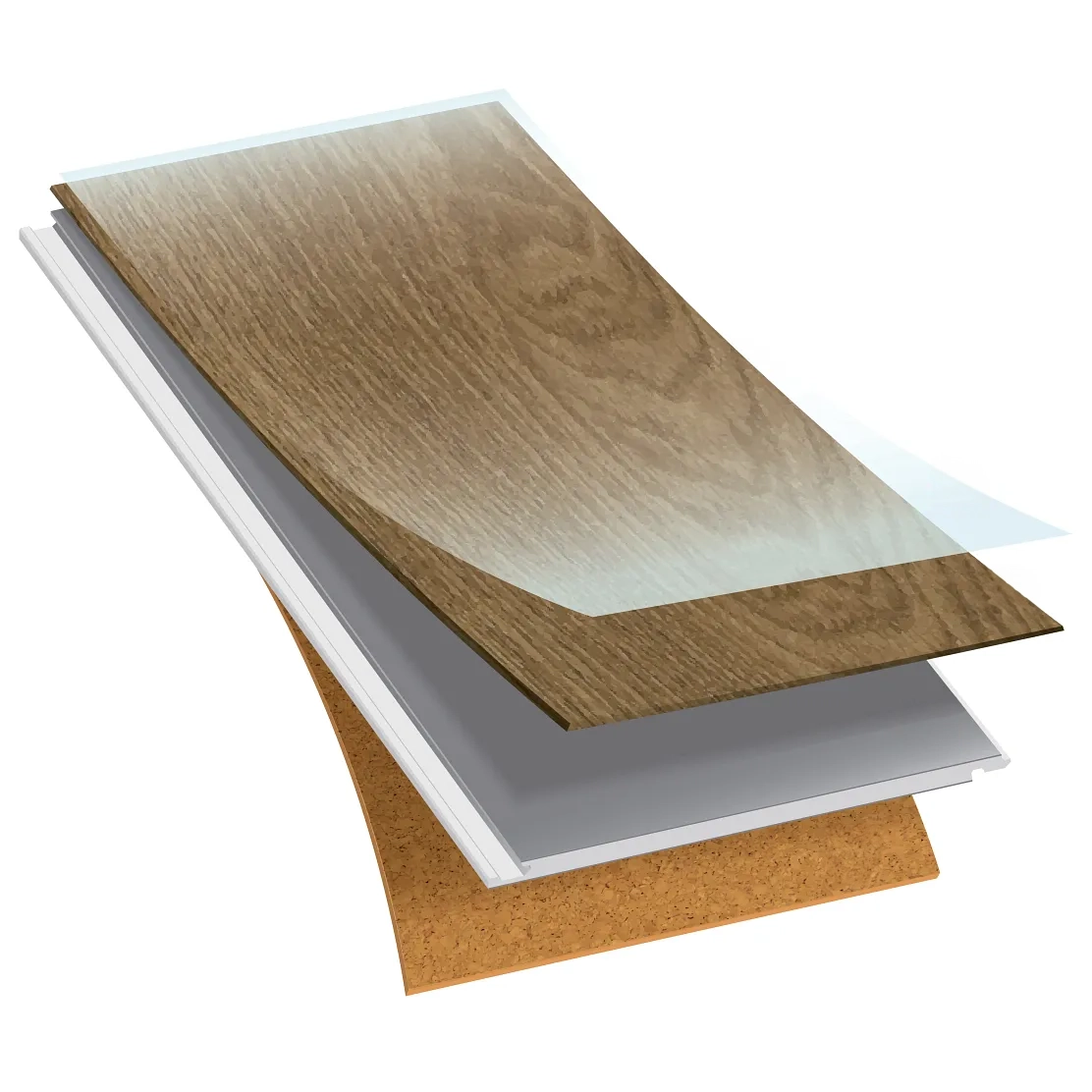
Laminate flooring is built like a sandwich. At the bottom, a stabilizing backing prevents warping. In the middle, a dense high-density fiberboard core gives each plank its structure. Above that sits a photographic layer — the printed image that makes laminate look like oak, hickory, or stone. And on top of everything is the wear layer: a transparent, factory-applied coating made primarily of aluminum oxide.
This is the part that takes the beating. Chair legs scraping across the surface, a dog's nails clicking down the hallway, the inevitable dropped coffee mug — the wear layer absorbs all of it. When someone says a laminate floor "wears well," they're really talking about how thick and how well-engineered this protective topcoat is. The industry standard for measuring that durability is the Abrasion Criteria (AC) rating.
How the AC Rating Scale Works
The AC scale runs from AC1 to AC5, and each step represents a leap in toughness. The rating comes from a standardized test called the Taber abrasion test, where a weighted wheel spins against the laminate surface until visible wear appears. The more revolutions the floor withstands before showing damage, the higher the rating.
AC1 (Moderate Residential) is suitable only for low-traffic areas like a guest bedroom closet or a formal sitting room nobody really uses. You won't see much AC1 on the market today.
AC2 (General Residential) handles light foot traffic in spaces like bedrooms and home offices. It works, but most homeowners benefit from stepping up.
AC3 (Heavy Residential / Light Commercial) is the sweet spot for most homes. It handles the daily rhythms of a busy household — kids, pets, dropped toys — and holds up beautifully in living rooms and dining areas.
AC4 (General Commercial) adds enough toughness for small offices, cafes, and high-traffic residential spaces like entryways and kitchens.
AC5 (Heavy Commercial) can withstand the punishment of department stores and busy lobbies. For a home, it's overkill in most rooms — but in a mudroom or a home-based business with rolling chairs and constant foot traffic, it makes sense.
Matching the Right Rating to Each Room
Here's where the acronyms meet real life. A bedroom where you mostly walk barefoot can thrive on an AC3-rated plank. But the hallway connecting that bedroom to the kitchen? That narrow strip of flooring absorbs more concentrated traffic than almost any other square footage in your home, and it deserves an AC4.
Kitchens present their own challenges. Between dropped cans, spilled water, and the scuff of barstools on hard flooring, an AC4 rating provides meaningful peace of mind. Living rooms, especially open-concept layouts where the floor flows seamlessly through multiple zones, also benefit from that extra durability.
If you're browsing our laminate selection, you'll notice that brands like Mohawk build their laminate with commercial-grade wear layers baked right into the design — Mohawk's RevWood laminate, for instance, pairs wood-like visuals with AC4-level durability that handles everything a busy Rutherford County household throws at it.
Beyond AC Ratings: What Else Matters
A high AC rating tells you the wear layer will resist abrasion, but it doesn't tell the whole story. Moisture resistance varies between products — some laminates feature water-resistant cores or sealed edges that buy you time when spills happen. Underlayment quality affects how the floor feels underfoot and how well it muffles sound. And installation matters enormously: even the toughest laminate will buckle or gap if it wasn't acclimated and installed correctly.
That last point is worth underscoring. A floor's longevity depends as much on the hands that lay it as the rating stamped on the box. When you're investing in flooring that should look good for a decade or more, certified installation backed by a real warranty turns a smart purchase into a lasting one. Our laminate flooring guide walks through what to expect from consultation to cleanup, so there are no surprises.
The AC rating on a laminate plank isn't just a technical detail — it's a promise about how that floor will perform in your actual life. Matching the rating to the room gives you a surface that handles everything from holiday gatherings to the morning stampede toward the coffee maker. If you're weighing options for your next project, come talk through the choices in person. Schedule a free estimate and we'll help you find laminate that's built for the way you live.