

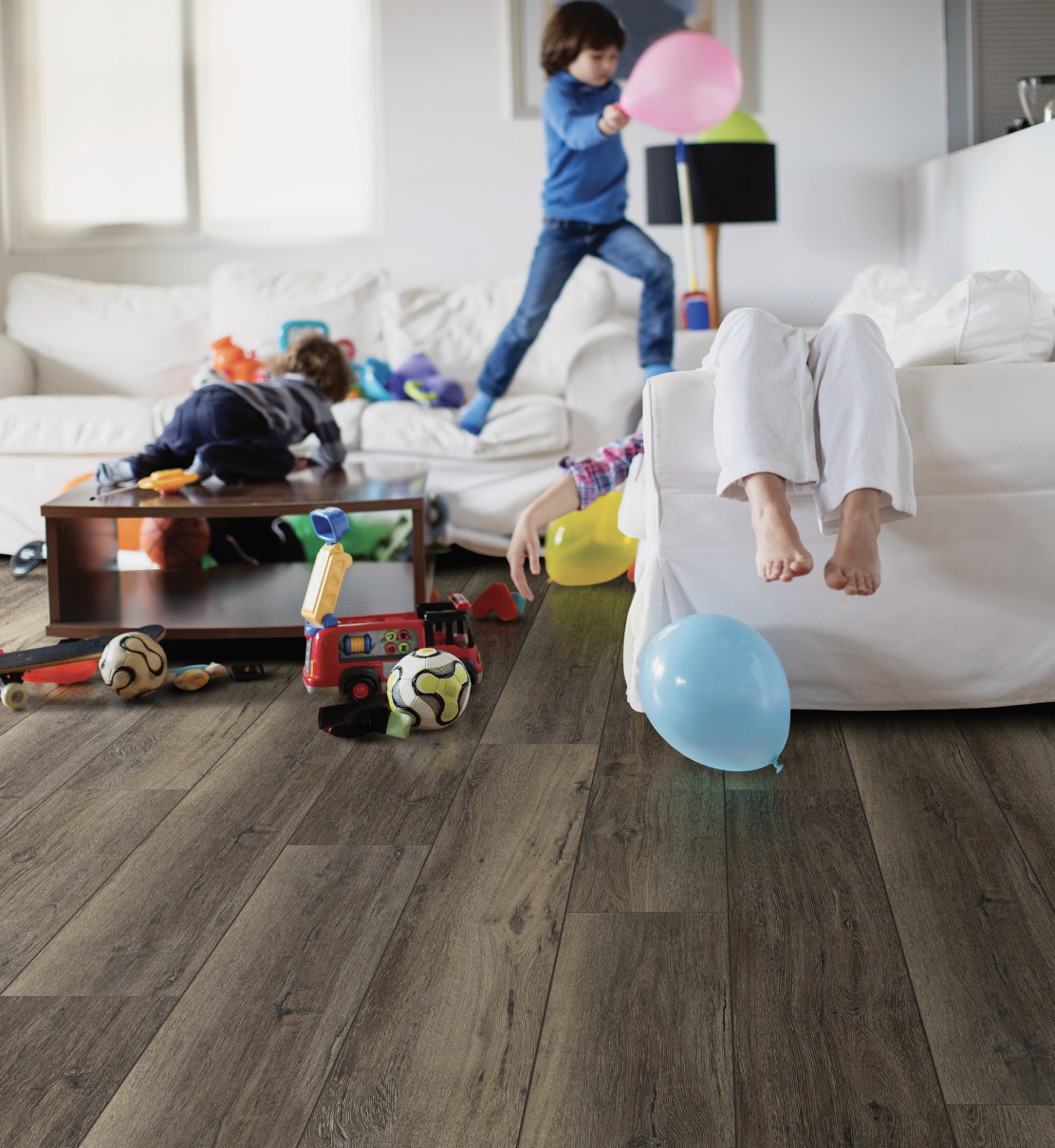
You don’t really notice how loud a house is until someone heads upstairs after bedtime. Footsteps over the living room, chairs sliding in the kitchen above, kids’ toys bouncing across the hallway – in a two-story home, sound travels fast. Choosing the right flooring is one of the most effective ways to calm that noise without turning your home into a recording studio.
How Sound Actually Moves Through Your Floors
Before picking materials, it helps to understand what you’re fighting. Impact noise (footsteps, dropped toys, moving furniture) travels down through the floor structure, while airborne noise (voices, TV, music) moves through both air and surfaces. Hard, hollow-sounding floors amplify both, especially in open layouts that are common in newer builds.
Two-story homes in growing areas with lots of new construction often have lightweight framing and minimal sound insulation between levels. That’s why you may notice every step from the second floor in the family room below. The right flooring system – surface plus underlayment – can soften that transfer dramatically.
Why Laminate Is a Smart Choice for Quieter Upstairs Spaces
Modern laminate has come a long way from the loud, clicky boards people remember from years ago. Today’s products often include built-in acoustic backing and are designed to float over a sound-dampening pad, which helps absorb impact noise before it reaches the joists.
If you like the look of wood but want better sound control in bedrooms, playrooms, and upstairs hallways, it’s worth browsing a few different constructions in a dedicated laminate flooring collection. Look for details like attached pad, thickness, and density; thicker planks with quality underlayment usually do a better job of dulling the “tap” of footsteps.
Laminate is also practical in busy households: it resists scratches from pets, handles everyday spills, and stays stable as humidity swings through Middle Tennessee’s hot summers and mild winters. Pair it with soft surfaces like rugs and upholstered furniture and you’ll cut down on echo as well as impact noise.
Hardwood and Sound: Getting the Details Right
Hardwood will never be completely silent – it’s a solid surface, after all – but the way it’s installed makes a big difference in how much sound carries downstairs. Nail-down or glue-down methods typically feel more solid underfoot and can reduce the hollow sound you sometimes hear with floating systems.
When you explore a curated hardwood flooring collection, pay attention to plank width and thickness. Wider, thicker boards tend to feel more substantial, which can translate to less flex and less creaking over time. Area rugs in key spots – under beds, in lofts, in front of sofas – help absorb both impact and airborne noise without hiding the wood you chose.
If you already have solid wood upstairs and it’s creaky, worn, or finished with a very glossy, hard coating, professional hardwood refinishing can tighten loose boards, update the finish, and sometimes soften the sharpness of sound, all while boosting appearance and resale appeal.
Underlayments, Rugs, and Other Sound-Softeners
No matter which surface you pick, what goes under and on top of it matters just as much for noise control. A quality acoustic underlayment beneath laminate or engineered hardwood helps break the path of vibration from footsteps into the subfloor. Upstairs, that can be the difference between a dull thud and a sharp bang in the room below.
Strategic use of rugs is the other big lever. A custom rug sized to fit a loft, hallway, or split-level landing absorbs sound right where it starts. If you want something that fits perfectly instead of a standard size, you can turn broadloom into finished pieces with carpet binding and serging, matching each space without sacrificing style. Runners on stairs and long hallways are especially helpful for taming late-night traffic.
Ready to Quiet Things Down?
If you’re tired of hearing every step from the floor above, it may be time to rethink what’s underfoot. Faith and Grace Flooring’s team can help you compare laminate and hardwood options, talk through underlayment choices, and plan rugs or runners that work together to reduce noise throughout your home. When you’re ready to explore specific products and get expert guidance, you can request a visit through their free estimate and start designing a quieter, more comfortable space.