

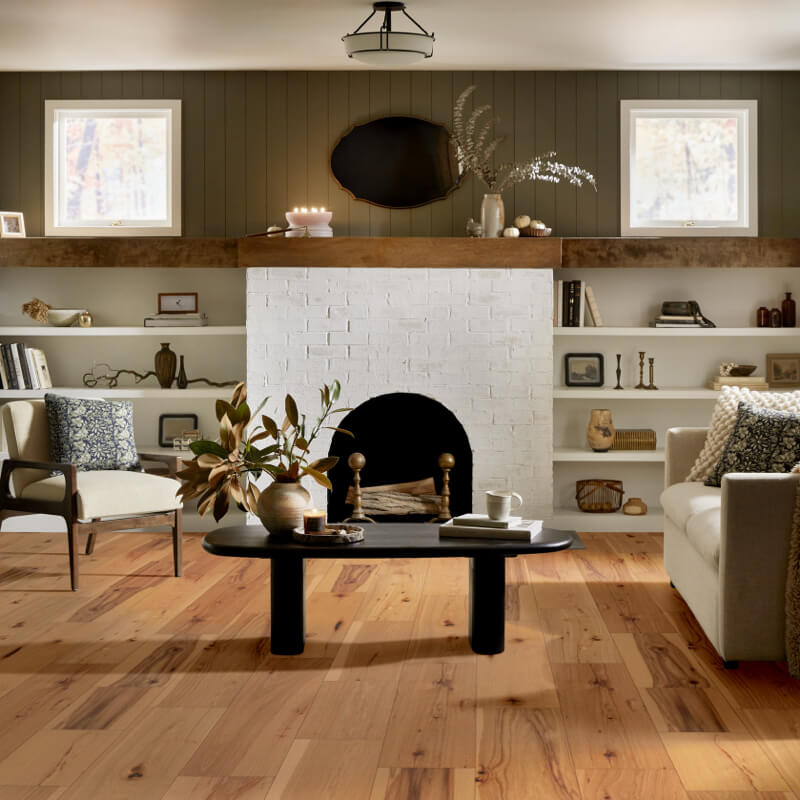
The first hot, sticky day of late spring usually reveals it: your wood floors start to creak a little more, a board cups near the back door, or that once-tight laminate joint looks just a bit raised. In a climate where the air can feel damp for weeks at a time, seasonal shifts aren’t just uncomfortable for you—they’re stressful on your flooring.
Understanding how humidity and temperature changes affect wood-based floors is the key to keeping them stable and beautiful all year.
How Humidity Really Affects Hardwood and Laminate
Wood is hygroscopic, which means it constantly trades moisture with the air around it. When indoor humidity climbs, planks swell; when the heat kicks on and the air dries out, they shrink. Over time, this cycle can cause gaps, cupping, and even finish damage.
For most hardwood, a relative humidity range of 35–55% is ideal. Above that, you’ll see swelling and movement around doorways, kitchens, and patio entrances. Below that, boards can crack or separate at the seams. Laminate has a wood-based core as well, so it reacts in similar ways, even if the top layer is more resistant to wear.
If you’re choosing new materials and want to compare how different species and constructions handle moisture, it helps to browse a broad hardwood flooring collection and look at both solid and engineered options side by side.
Spring and Summer: Controlling Moisture, Not Just Spills
As the air turns muggy, surface water isn’t the only concern. Everyday humidity can work its way into your floors even if you never spill a drop.
Daily care in the warm months should focus on dry cleaning methods first. Use a microfiber dust mop or vacuum with a hard-surface setting to remove grit that can scratch softened finishes. Wet mops, steam cleaners, and oil soaps add unnecessary moisture and can cloud the coating.
The other half of the equation is air control. Running air conditioning and using a dehumidifier in the most humid rooms helps keep swelling in check, especially in homes with large expanses of wood. For families that prefer the look of wood but want extra insurance against seasonal swings, it’s worth exploring laminate flooring options that are built with water-resistant cores and tight locking systems.
Fall and Winter: Guarding Against Dryness and Wear
Once the heat comes on, your floors face the opposite problem. Drier indoor air can pull moisture out of wood faster than it can adjust, which leads to gaps, cracking, and noisy boards. This is also the season when grit from sidewalks and driveways gets tracked inside.
Entry mats at every exterior door make a bigger difference than most homeowners realize. They trap sand and salt before it can grind into the finish. Inside, stick to gentle cleaners designed for your specific floor type, and avoid harsh chemicals that strip protective layers right when the wood needs them most.
If your existing planks already show years of seasonal movement—dull finish, color variation, or light surface damage—a professional hardwood refinishing service can reset the surface and add a modern, more durable topcoat that better handles the coming winters.
Year-Round Habits That Extend Floor Life
Regardless of the month, a few consistent habits give wood-based floors the best chance to thrive in a humid climate. Keeping pets’ nails trimmed, using felt pads under furniture, and wiping up spills within minutes all reduce the stress on seams and finishes.
For concrete areas that see big temperature swings—garages, workshops, or commercial spaces—wood isn’t always the best choice. In those locations, many homeowners shift to durable epoxy flooring that stands up to both moisture and heavy use without the movement you’d see from planks.
Finally, remember that every house responds a bit differently based on insulation, sun exposure, and how often doors are opened. If you’ve noticed recurring issues in specific rooms, it can help to review before-and-after examples in a local flooring project gallery to see how similar spaces have been upgraded.
Ready to Stabilize and Refresh Your Floors?
If seasonal changes have started to leave marks on your hardwood or laminate, it may be time to adjust materials, improve finishes, or plan an update. You can talk through options with a local team that understands our humid climate and see what fits your home and budget by requesting a free in-home flooring estimate.