

Designing a home that feels cohesive yet interesting presents one of the most engaging challenges in interior design. Every room has its own personality, its own function, and its own requirements for flooring that will serve its purpose well. Yet these individual spaces must also work together to create a unified whole that feels intentional and harmonious. The art of selecting and combining different flooring types throughout a home requires both practical knowledge and creative vision, balancing aesthetics with functionality to create spaces that look beautiful and live beautifully. At Faith and Grace Flooring, we help Murfreesboro homeowners navigate this exciting process, combining our expertise in epoxy and carpet flooring with a deep understanding of how different materials can work together to create extraordinary results.
The concept of using different flooring materials throughout a home has evolved significantly over the years. In the past, many homeowners defaulted to a single flooring type installed wall to wall throughout their homes, valuing simplicity over customization. Today's design-savvy homeowners recognize that thoughtfully combining different flooring types can create visual interest, define functional zones, and ensure that each space has the optimal flooring for its intended use. This more sophisticated approach requires careful planning but yields results that feel both personalized and professionally designed.
Understanding Visual Flow
Visual flow refers to the way the eye moves through a space, guided by colors, patterns, textures, and transitions. When flooring is handled well, it creates a sense of continuity that makes a home feel larger and more cohesive, even when different materials are used in different rooms. When handled poorly, abrupt flooring changes can make a home feel choppy and disjointed, like a collection of unrelated spaces rather than a unified dwelling.
Several principles guide the creation of good visual flow between different flooring types. Color continuity is perhaps the most important, ensuring that the tones used in different rooms relate to each other harmoniously. This doesn't mean that every floor must be the same color, but rather that the colors chosen should share underlying undertones or fall within a coordinated palette that feels intentional.
Scale and proportion also affect visual flow. The size of patterns, the width of planks or tiles, and the overall visual weight of different flooring choices should feel balanced throughout the home. A very busy pattern in one room adjacent to a completely plain floor in another can create visual tension that makes the transition feel jarring.
Transition planning ensures that the places where different flooring types meet are handled gracefully. These transition points can become design features in their own right or can be minimized to allow the floors to flow as seamlessly as possible. The approach chosen depends on the overall design vision and the specific materials being joined.
The Marriage of Hard and Soft Surfaces
One of the most common and successful flooring combinations involves using both hard and soft surfaces throughout a home. This approach recognizes that different areas have different needs and that both hard surfaces and carpet offer unique advantages that are difficult to replicate.
Hard surface flooring, including epoxy, tile, hardwood, and luxury vinyl, excels in areas where durability, easy cleaning, and moisture resistance are priorities. Kitchens benefit from hard surfaces that can be mopped clean after cooking spills. Bathrooms need flooring that won't be damaged by water. Entryways and mudrooms must handle tracked-in dirt and moisture without staining or deteriorating. Garages and utility spaces demand the toughness that only hard surfaces can provide.
Carpet, on the other hand, creates warmth, comfort, and acoustic benefits that hard surfaces simply cannot match. Bedrooms feel cozier and more restful with soft carpet underfoot. Family rooms and living spaces become more comfortable and inviting when carpet absorbs sound and provides cushioning for sitting and playing on the floor. Stairs become safer and quieter when carpeted, reducing the risk of slipping and eliminating the clatter of footsteps.
By thoughtfully combining these different surface types, homeowners can create homes that offer the best of both worlds: practical durability where it's needed and comfortable softness where it's desired. The key is planning these combinations carefully to ensure smooth transitions and visual harmony.
Creating Zones Within Open Floor Plans
Modern homes increasingly feature open floor plans that combine kitchen, dining, and living areas into single large spaces. While these layouts create wonderful opportunities for family interaction and entertaining, they also present challenges for flooring selection. Using different flooring types to define functional zones within an open plan can solve practical problems while adding visual interest.
Consider a typical open-concept main floor where the kitchen flows into a dining area, which in turn opens to a living room. The kitchen area benefits from the durability and easy cleaning of hard surface flooring, while the living room might be more comfortable and inviting with carpet. Rather than extending one flooring type throughout or creating an awkward transition in the middle of the open space, careful zone definition can make the transition feel natural and intentional.
The key to successful zone definition lies in aligning flooring transitions with architectural features and furniture placement. A flooring change that occurs at a natural break point, such as where a half-wall separates spaces or where furniture groupings create visual boundaries, feels logical and intentional. A transition in the middle of an undefined open space, by contrast, feels random and poorly planned.
Color coordination becomes especially important in open floor plans where different flooring types are visible simultaneously. Choosing a carpet color that picks up tones from the hard surface flooring creates visual connection between the zones. Similarly, selecting hard surface flooring with warm undertones that complement the carpet helps the different materials feel related rather than competing.
Epoxy and Carpet: An Unexpected Partnership
While epoxy flooring and carpet might seem like an unlikely pairing, they can actually work together beautifully in homes that include both living spaces and functional areas. At Faith and Grace Flooring, we specialize in both of these flooring types and have helped many Murfreesboro homeowners create homes that seamlessly incorporate both materials.
Consider a home with a finished basement that serves multiple purposes. The open recreation area might feature beautiful carpet that creates a warm, comfortable space for family movie nights and children's play. An adjacent home gym or workshop area, however, needs the durability and easy cleaning that epoxy provides. By carefully planning the transition between these zones, the basement becomes a versatile space that serves all of these functions effectively.
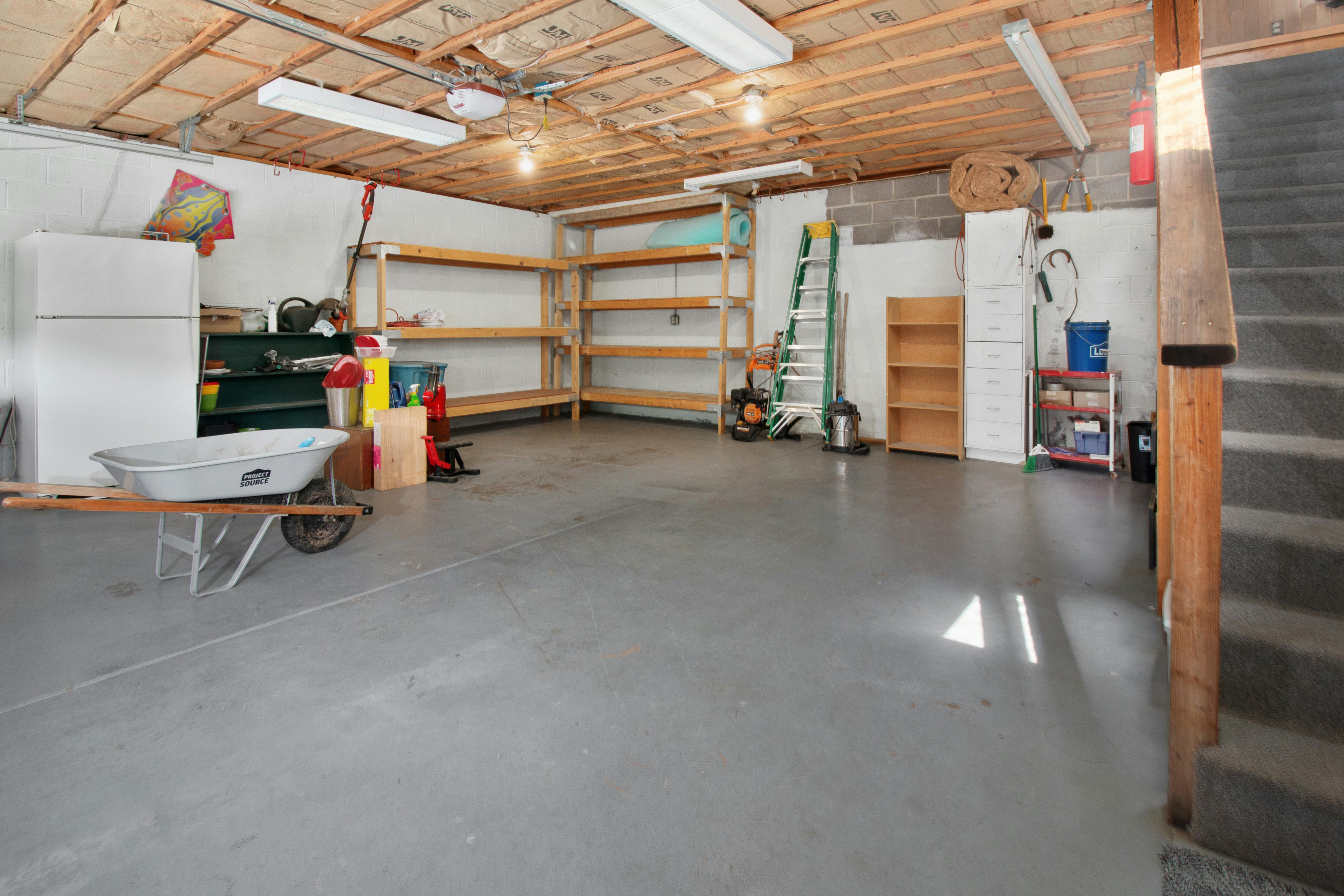
Garages that connect directly to living spaces present another opportunity for thoughtful epoxy and carpet combination. A stunning epoxy garage floor creates an impressive first impression for anyone entering through the garage, while the transition to carpet in the home's interior signals the shift from functional space to comfortable living area. When the colors and styles are coordinated, this transition enhances rather than detracts from the home's overall design.
Color Theory in Practice
Understanding basic color theory helps homeowners make flooring choices that work well together throughout their homes. Colors can be organized into various categories that describe their relationships and help predict how they will interact when placed near each other.
Analogous color schemes use colors that sit next to each other on the color wheel, such as blues and greens or browns and oranges. These combinations feel naturally harmonious and are easy to execute successfully. A home featuring tan epoxy in the garage, warm brown carpet in the bedrooms, and golden hardwood in the common areas would be following an analogous approach.
Complementary color schemes use colors opposite each other on the color wheel, creating more dynamic contrast. While this approach can be stunning when executed well, it requires more care to avoid visual clash. A bold blue epoxy floor in a workout room adjacent to orange-toned carpet in a living space would be a complementary combination that demands careful balance.
Neutral color schemes rely on grays, beiges, tans, and other colors with low saturation. These combinations are inherently safe and versatile, working with virtually any décor and allowing furniture and accessories to provide color interest. Many homeowners choose neutral flooring throughout their homes specifically for this flexibility.
Practical Considerations for Flooring Combinations
Beyond aesthetics, several practical factors influence decisions about combining different flooring types. Transition pieces, thresholds, and reducers all play roles in how different flooring types meet and must be selected with both function and appearance in mind. The height difference between different flooring types can create trip hazards if not addressed properly, particularly for elderly family members or those with mobility challenges.
Climate considerations also affect flooring decisions in the Murfreesboro area. Homes with radiant floor heating must choose flooring materials compatible with this system. Areas prone to moisture need flooring that won't be damaged by humidity or occasional water exposure. High-traffic zones demand more durable materials regardless of aesthetic preferences.
Budget realities often influence how flooring is distributed throughout a home. By reserving more expensive options for high-visibility areas and choosing more economical alternatives for secondary spaces, homeowners can achieve designer looks within realistic budgets. Quality carpet in bedrooms paired with durable epoxy in the garage represents an excellent value that doesn't compromise on either comfort or function.
At Faith and Grace Flooring, we love helping Murfreesboro homeowners navigate the exciting possibilities of combining different flooring types throughout their homes. Our expertise in both epoxy and carpet flooring allows us to guide clients toward combinations that serve their practical needs while achieving their aesthetic visions. Whether you're building a new home, renovating an existing one, or simply exploring possibilities for your next project, we're here to help you create spaces that inspire and delight.